
If you are searching for a Pawllergy test kit review in Singapore, this is my honest account of using the kit on my own dog — what it flagged, what changed after I acted on the results, and where I think it fits (and does not fit) alongside proper vet care.
This is a picture of my dog taken on 24 April 2026.
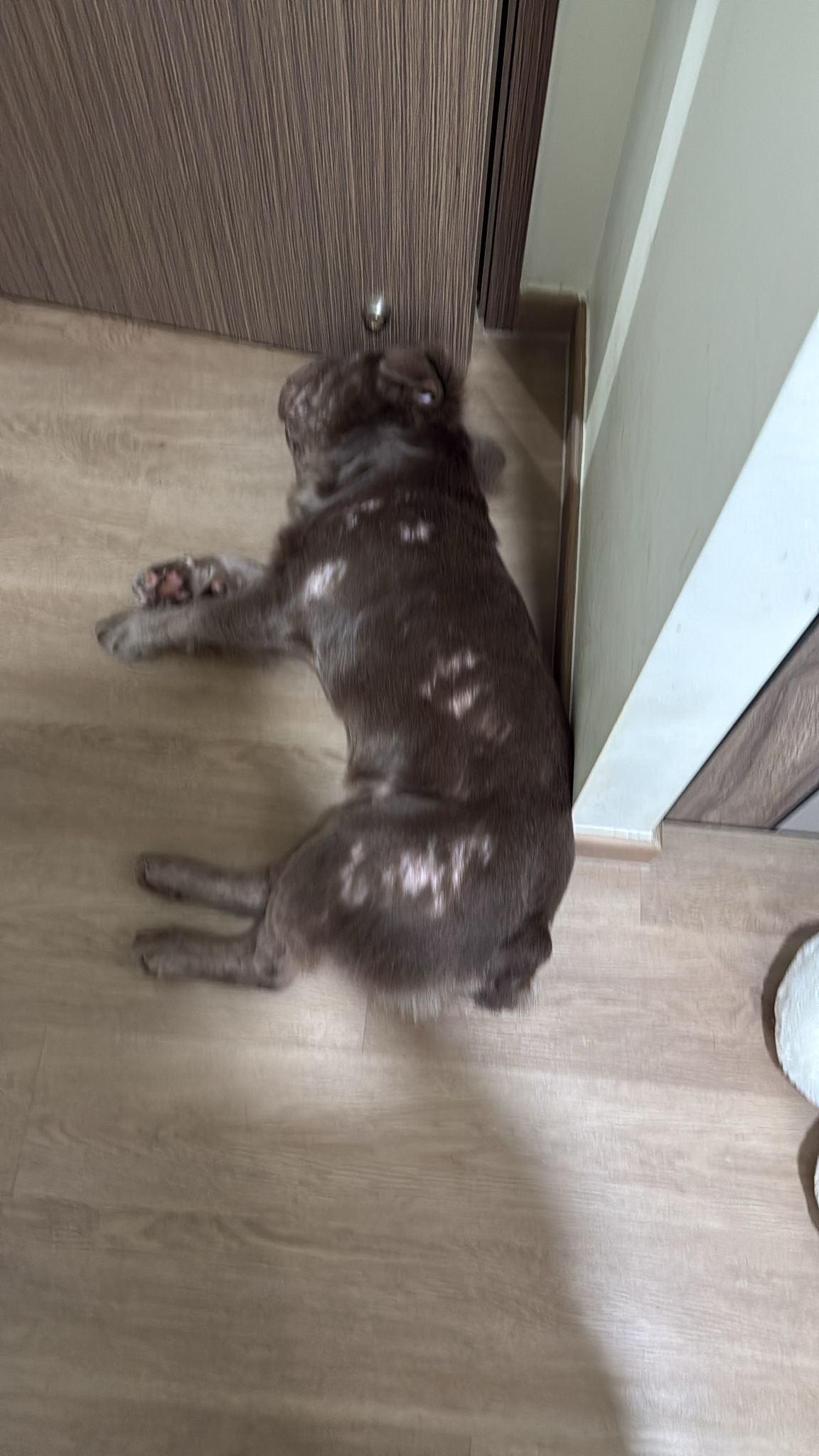
I always thought my dog was totally fine with beef. He loved his beef meals and never had any dramatic reactions — just the usual itchiness and slightly meh skin that I chalked up to Singapore weather and maybe being a Frenchie.
When I finally did the Pawllergy Test Kit and saw that he was flagged as sensitive to beef, I was honestly stunned.
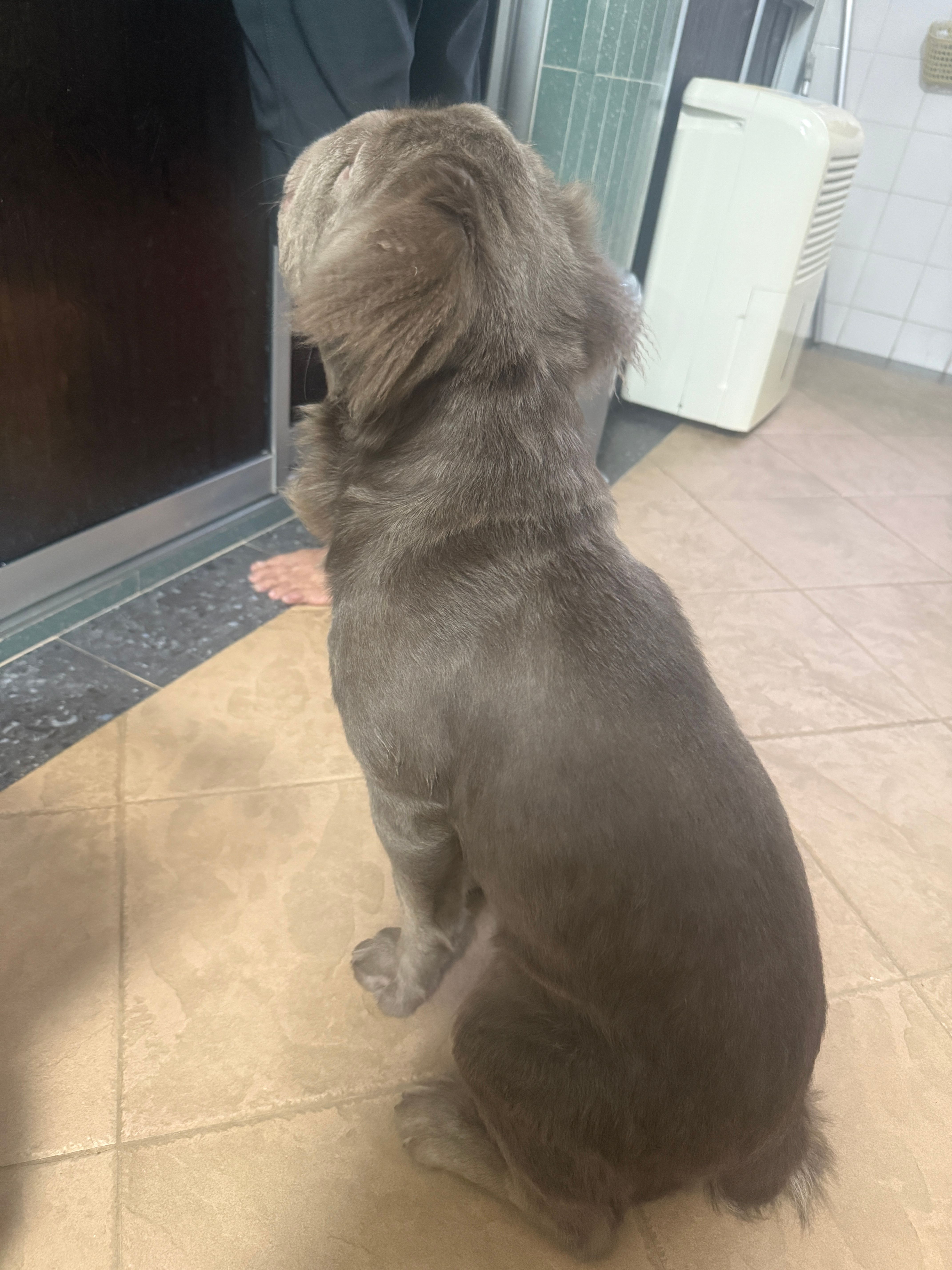
Ever since I swapped his main protein to duck from Annie's Pantry, his skin has improved dramatically — way less redness, fewer flare-ups, and he just looks more comfortable day to day.
Photo of my dog taken on 30 June 2026.
Disclaimer: I am not affiliated with Pawllergy or Annie's Pantry. This review is based purely on my own dog's results and day-to-day experience in Singapore. This is not a sponsored or paid collaboration. Although if you use my referral code for Annie Pantry, it will indirectly help fund the cost maintaining pawwhere :).
Quick Overview: Pawllergy Test Kit at a Glance
| What it is | Non-invasive fur-sample sensitivity test for dogs and cats |
| Items screened | ~384 food, environmental, and vitamin/mineral-related sensitivities |
| Technology | Bioresonance (complementary, not mainstream vet medicine) |
| Sample collection | At home — comb fur, seal bag, mail back |
| Report turnaround | ~7 working days (newer kit); older FAQs cite 21–30 days |
| Price range | High-hundreds SGD (~$200–$209 on official listings) |
| Best for | Recurring itchiness, paw licking, soft stools — not emergencies |
| My outcome | Beef flagged; switching to duck improved skin noticeably |
What the Pawllergy Test Kit Actually Is
Pawllergy is a Singapore-based pet sensitivity testing service that uses a non-invasive fur sample to screen your dog (or cat) for potential food and environmental sensitivities.
The standard Pawllergy Test Kit is marketed as checking around 384 items — food ingredients, environmental factors, and some vitamin/mineral-related sensitivities. The current product page breaks this down as:
- 200 food sensitivities — common proteins, grains, vegetables, fruits, and plant proteins
- 161 environmental sensitivities — local grasses, trees, plants, and fibres relevant to Singapore
- 23 vitamin and mineral items — nutrients where imbalances or sensitivities may matter for diet discussions
Instead of blood or skin prick testing, Pawllergy uses bioresonance technology, which measures how your pet's fur sample reacts to the electromagnetic "frequency" of different substances.
They are quite clear that this is a sensitivity test, not a formal medical allergy test, and that results should be used as a guide alongside your vet's advice. That framing matters — treat it as a map for elimination trials, not a diagnosis stamped in stone.
How the Pawllergy Test Kit Works (Step-by-Step)
Here is roughly how the process went for me:
1. Order the kit
Pawllergy sells its test kits directly on their website and through official distributors and marketplaces like Shopee Singapore. You order online and wait for delivery — the kit typically arrives within 3–5 working days according to their FAQs. I ordered mine on 2 June 2026 and it arrives on 6 June 2026.
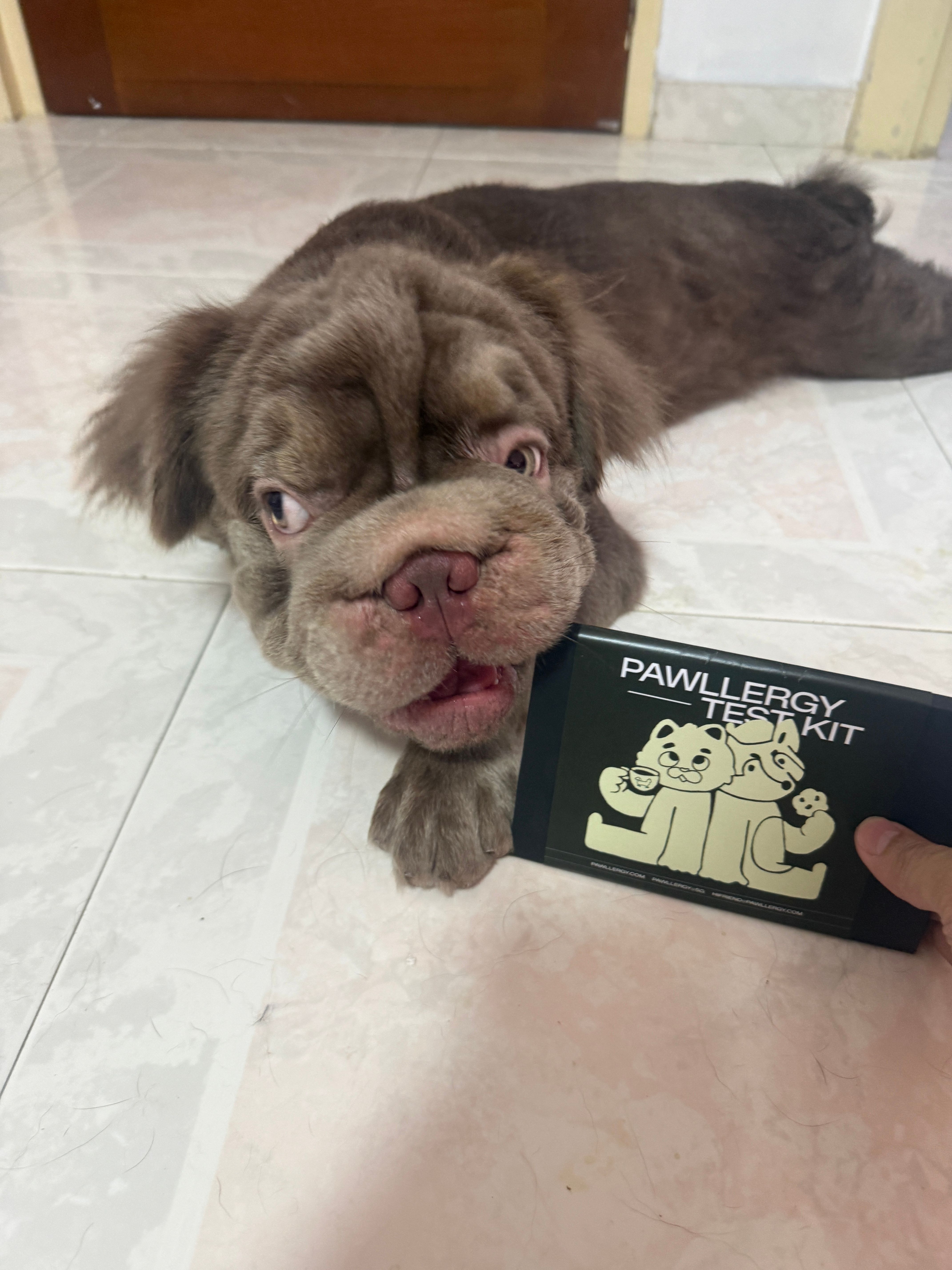
Photo of my dog together with the test kit.
2. Receive the box at home
The kit comes with instructions, a small comb for collecting fur, a sample bag, a customer form, and packaging for sending everything back.
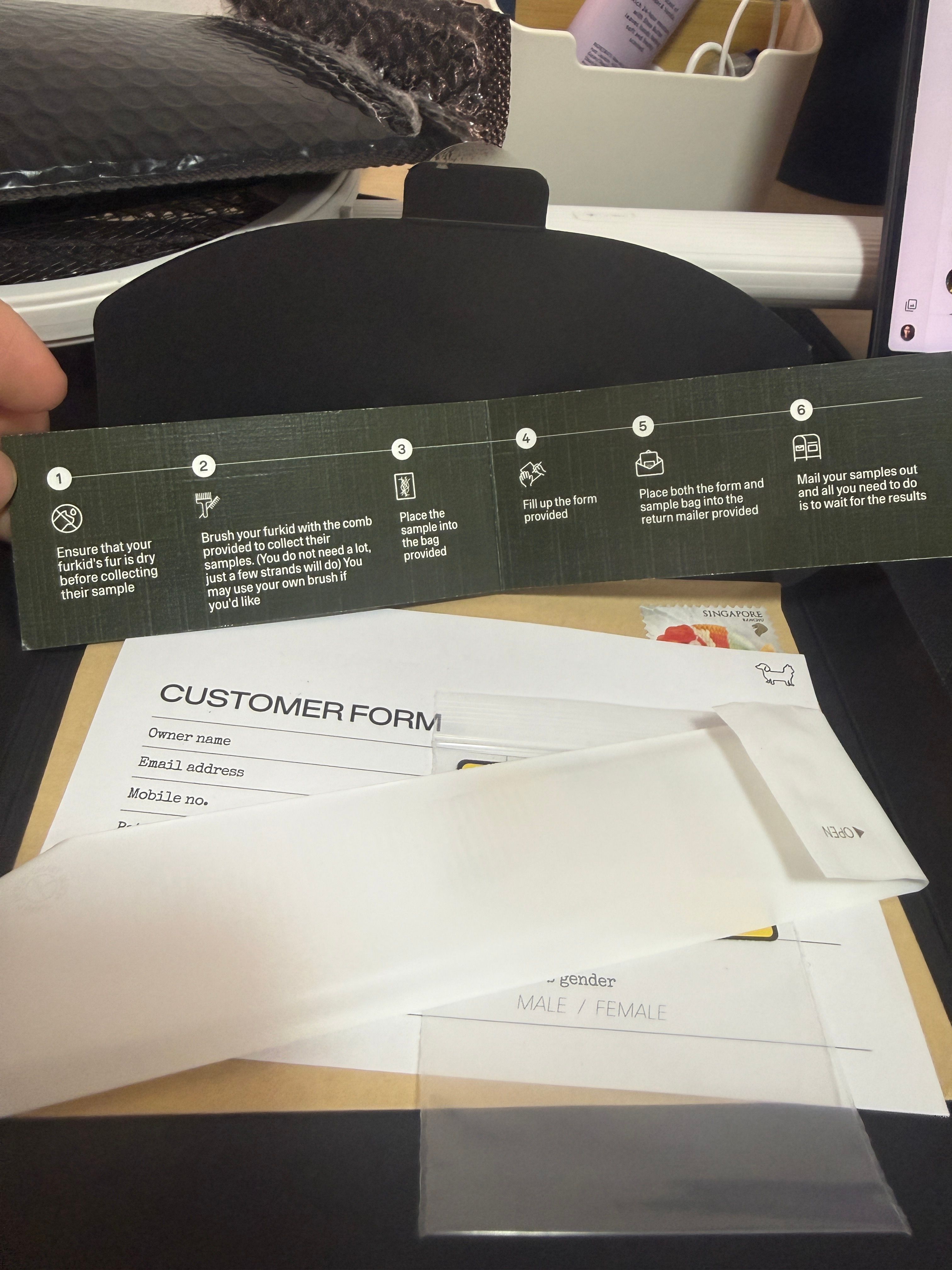
3. Collect your dog's fur sample
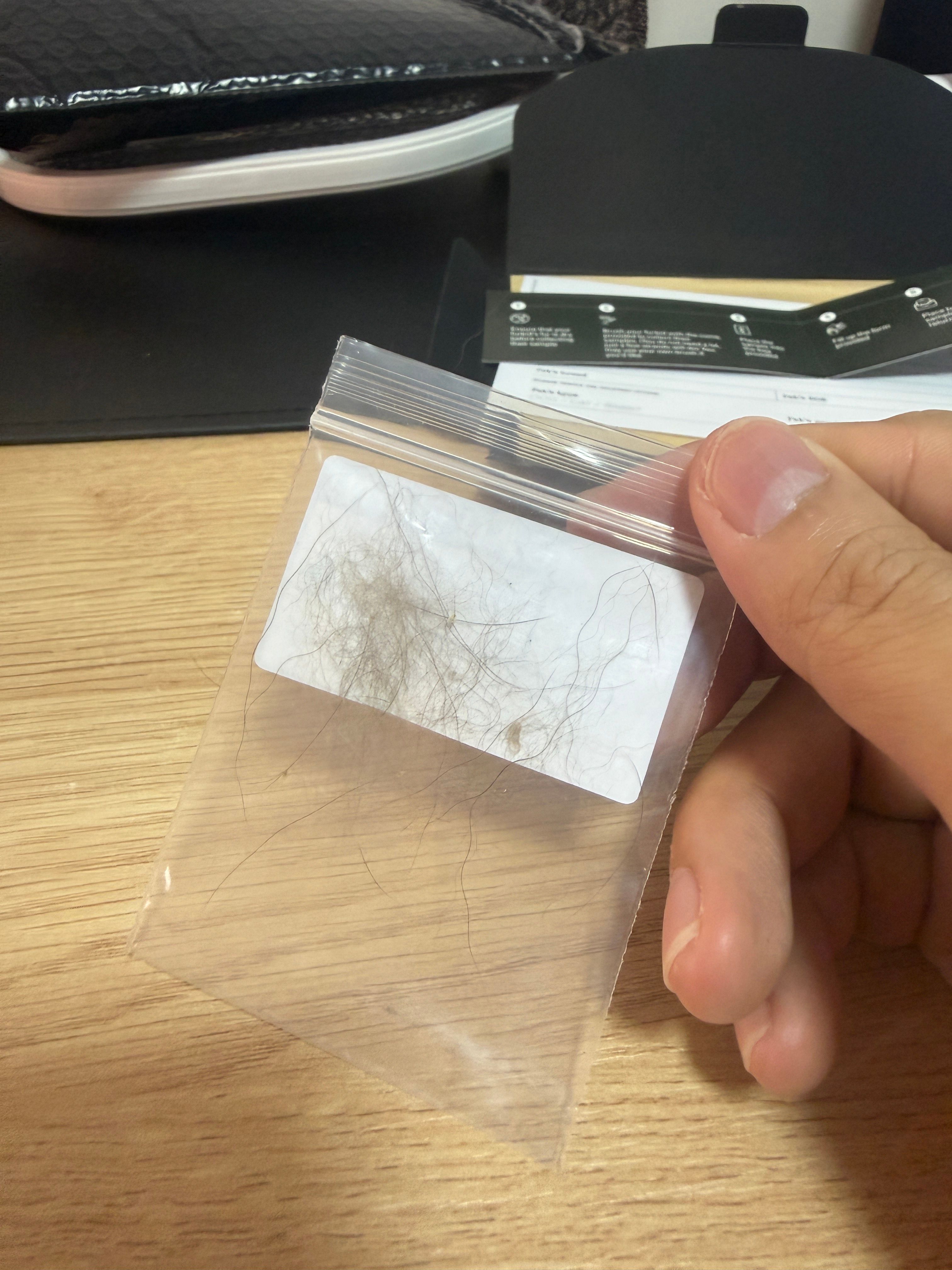
You comb or pick loose fur, pop it into the sample bag, fill out the details, and seal it in the return envelope. Only a small amount is needed — a few strands from a dry coat is enough. I sent out the sample on 6 June 2026 itself.
Photo of my dog's fur sample.
4. Lab testing via bioresonance
Pawllergy sends the sample to a partner lab (described as in the UK and part of an ISO 9001-certified facility) where they run it through bioresonance equipment against hundreds of food and non-food items. I received email notification that they received my sample on 10 June 2026. And the email states the report will be ready by 18 June 2026.
5. Get the report by email
The marketing for the newer kit emphasises results in around 7 working days, although earlier FAQ material mentions 21–30 working days depending on logistics. I received my report on 18 June 2026 itself.
In my case, the report was delivered digitally and laid out all the items my dog showed moderate or high sensitivity to.
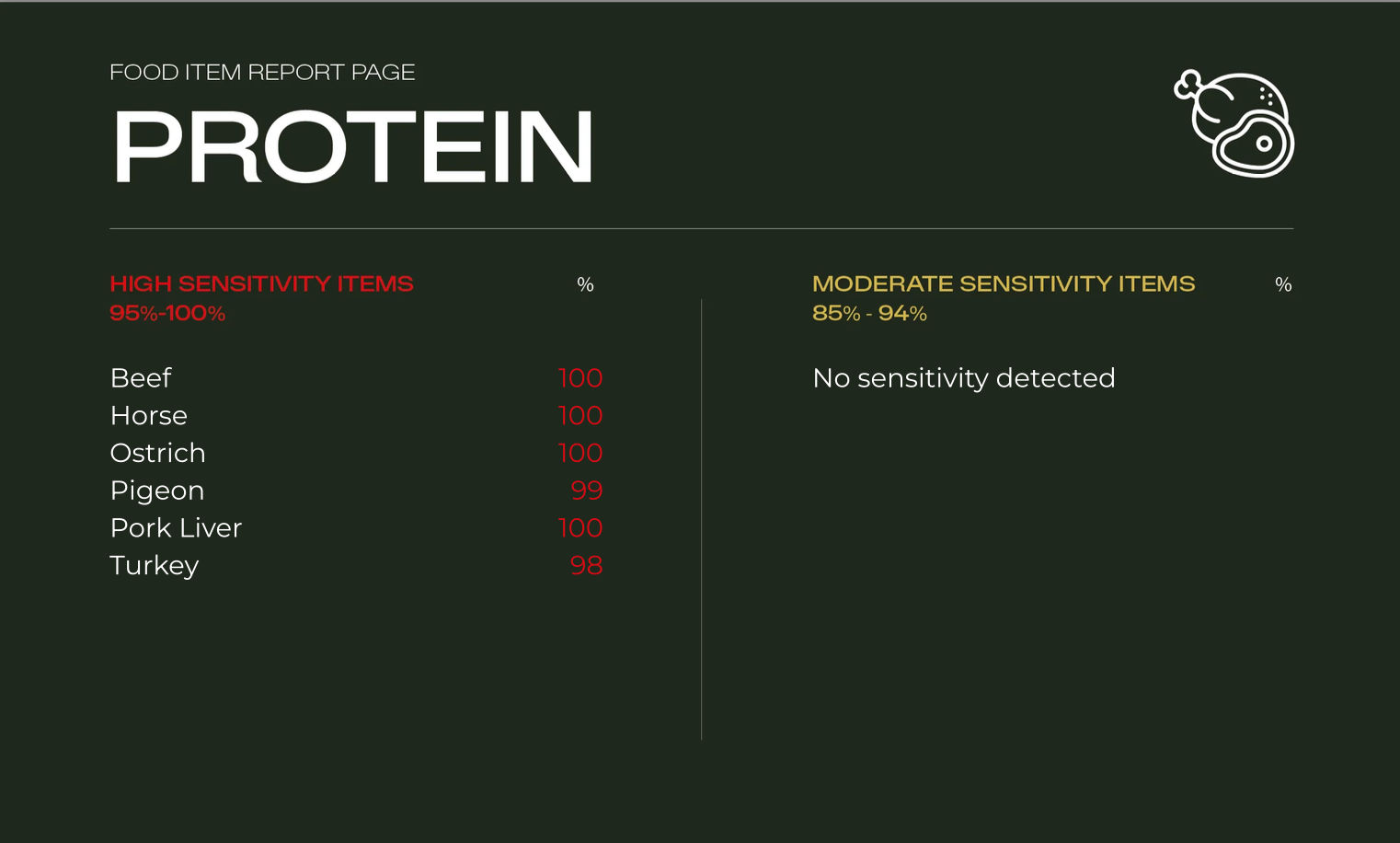
Sample page from the Pawllergy digital report showing protein high sensitivity items.
Image credit: Pawwhere
What the Pawllergy Report Tells You
The Pawllergy test review experience centres on a big, structured list of potential triggers:
Food sensitivities — common proteins (chicken, beef, lamb, pork, fish, seafood), eggs, dairy, grains, vegetables, fruits, and some plant proteins.
Environmental sensitivities — grasses, trees, plants, fibres, and other environmental exposures that might be affecting paws and skin.
Vitamin and mineral items — a smaller panel of nutrients where imbalances or sensitivities might be relevant for diet discussions.
The report does not list absolutely everything under the sun, though — it focuses on items above a certain reactivity threshold to keep the results usable.
Pawllergy keeps repeating in their content that this is a starting point for a food trial or elimination journey, not a final verdict on what your dog can or cannot ever touch.
My Dog's Results: Beef Was the Plot Twist
Going into this, I had a shortlist of "suspect" ingredients, and beef honestly was not one of them. He was on mixed proteins and seemed okay, apart from itchiness and some skin irritation that I had lazily blamed on humidity and general Frenchie problems.
Then the report showed beef sitting in the sensitivity list.
Seeing it flagged there made me rethink his diet completely — and it lined up suspiciously well with some of his flare-up patterns once I looked back at what he had been eating.
I did not treat the report as absolute truth, but I also did not ignore it. The beef result was enough for me to test one simple change: remove beef, switch to a different main protein, and observe.
Swapping to Duck from Annie's Pantry
For the protein swap, I moved him over to duck-based meals from Annie's Pantry — a Singapore pet food brand that focuses on fresh/raw meals using human-grade ingredients and no synthetic nasties.
Annie's Pantry is well known in the local raw-feeding community for its BARF-style meals (Biologically Appropriate Raw Food) that use visible chunks of meat, organ, and bone instead of ultra-processed mush. Their positioning is very much "real and honest people food for dogs and cats", with ingredients sourced from reputable butchers and made in small batches in Singapore.
Duck is commonly used as a hypoallergenic or alternative protein for dogs with suspected sensitivities to more mainstream meats like chicken or beef.
After switching him onto duck from Annie's Pantry and giving it some time, his skin genuinely improved — fewer flare-ups, better coat condition, and overall he looked like he was less inflamed.
Could it be coincidence? Sure. But pairing the Pawllergy report with a cleaner, single-protein diet from a brand that cares a lot about ingredients definitely made the change feel more intentional instead of random trial-and-error.
If you are already exploring raw or fresh feeding options, our raw dog food Singapore comparison guide covers Annie's Pantry alongside other local delivery brands.
Pros and Cons of Pawllergy (From My Experience)
What I Like
Non-invasive and convenient Fur collection at home is way less stressful than blood draws or skin tests at a clinic, especially if your dog already hates vet visits. This is the core appeal of any non-invasive pet sensitivity test.
Wide coverage of items relevant to life in Singapore The panel includes a large mix of food and environmental items that make sense for dogs living here, rather than generic overseas lists. That local environmental panel is a genuine differentiator for a dog food sensitivity test in Singapore.
Gives structure to the elimination process Instead of staring at your dog's bowl and guessing, you get a list of items to prioritise removing or rotating. It is a lot easier to discuss "let's avoid these specific proteins first" with your vet or nutrition-focused brands.
Digital, reasonably fast report turnaround (for the newer kit) Having the report in email/PDF format is practical — you can forward it to your vet, save it in your notes, and refer to it when ordering food.
Very fuss-free and easy process Collecting the fur sample was simple and took less than 10 minutes, start to finish. All I had to do was follow the clear instructions, seal up the sample, and drop it off at any Singapore Post mailbox—no complicated arrangements or logistics needed.
What I Am Cautious About
Bioresonance is complementary, not mainstream vet medicine Pawllergy themselves frame this as complementary, and independent articles about pet allergy tests in Singapore also highlight that bioresonance has sceptics. So I treat it more like a data point, not a diagnosis.
You still need proper vet input If your dog has serious symptoms, you cannot just wave a report around and expect everything to resolve. Blood tests, skin tests, and good old-fashioned elimination diets are still the gold standard for confirming allergies.
Price is mid-to-high for a non-diagnostic test The Pawllergy Test Kit is generally in the high-hundreds range in SGD, with some variation across official listings and marketplaces. It is not cheap, especially if you are also budgeting for vet consults and premium food.
Discount Code
Quick note about the price: I always look out for discount codes, and when I bought the kit, I actually used one shared by Phoebe — I get to know her via Taro on Instagram.
If you follow pet creators or have friends who know about deals, definitely ask around—it really helps when you’re already spending on vet visits, food, supplements, and everything else.
Here's the code I used: phoebe15
It's valid when I used it. So this may or may not be valid when you use it.
Who Pawllergy Makes Sense For
Based on my experience and the broader context of allergy/sensitivity testing in Singapore, Pawllergy makes the most sense if:
- Your dog has recurring but non-emergency issues — itchy skin, paw licking, soft stools, random flare-ups that never fully resolve
- You want a non-invasive first step before jumping into blood/skin allergy panels or multi-month elimination diets
- You are willing to actually act on the report — changing proteins, switching brands, cleaning up treats, and working with your vet, not just reading and forgetting
If your dog is having severe reactions (difficulty breathing, major swelling, repeated vomiting), that is still straight-to-vet territory. A sensitivity test kit is not an emergency tool.
Final Thoughts
For me, Pawllergy did not magically "cure" my dog, but it did give me a nudge in a very specific direction: rethink beef, try an alternative protein, and clean up his diet with a brand like Annie's Pantry that takes ingredients seriously.
The combination of:
- A structured sensitivity report
- A targeted protein swap to duck
- More mindful feeding using fresh, minimally processed meals
This made a noticeable difference to his skin and overall comfort.
If you are a dog owner in Singapore sitting on the fence about doing a test kit, my honest take is: use Pawllergy as a map, not a diagnosis, pair it with good food and a vet who is open to discussing complementary tools, and do not underestimate how big an impact one well-chosen protein swap can make.
FAQs About the Pawllergy Test Kit in Singapore
-
What is the Pawllergy Test Kit? A Singapore-based, non-invasive fur-sample test that screens dogs and cats for around 384 food, environmental, and vitamin/mineral-related sensitivities using bioresonance technology.
-
Is Pawllergy the same as a vet allergy test? No. It is a sensitivity screen, not a formal medical allergy diagnosis. Use it as a guide for elimination diets alongside proper veterinary advice.
-
How long do Pawllergy results take? The newer kit marketing cites around 7 working days. Older FAQ material mentions 21–30 working days depending on logistics. Check current timelines when you order.
-
How much does the Pawllergy Test Kit cost? Generally around $200–$209 SGD on the official website and authorised distributors, with some variation on marketplaces.
-
Who should consider a Pawllergy test? Dogs with recurring but non-emergency skin, paw, or digestive issues who need a structured starting point — not dogs with acute or severe allergic reactions.
Explore More Dog Nutrition & Pet Care on PawWhere
Looking for more ways to support your dog's diet and wellbeing in Singapore?
- Compare local raw food delivery brands in our raw dog food Singapore guide
- Browse dog-friendly cafés and pet-friendly spots across the island
Note: Pet sensitivity test results are not a substitute for veterinary diagnosis. Always consult your vet before making significant dietary changes, especially if your dog has ongoing or worsening symptoms.